
[GHHF] Importance of Hindu Temples, Murti worship and difference between One God vs Many Gods.
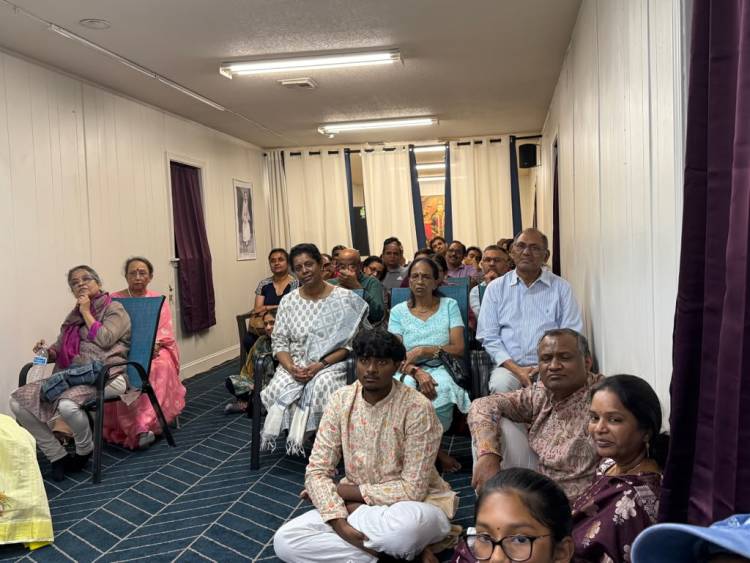 S3 Foundation was conducting several programs along with maintaining the largest Gaushala in Memphis in the USA. More than 200 cows are housed on 200-acre land. It is sight to see and experience the sanctity and spirituality of the Gaushala.
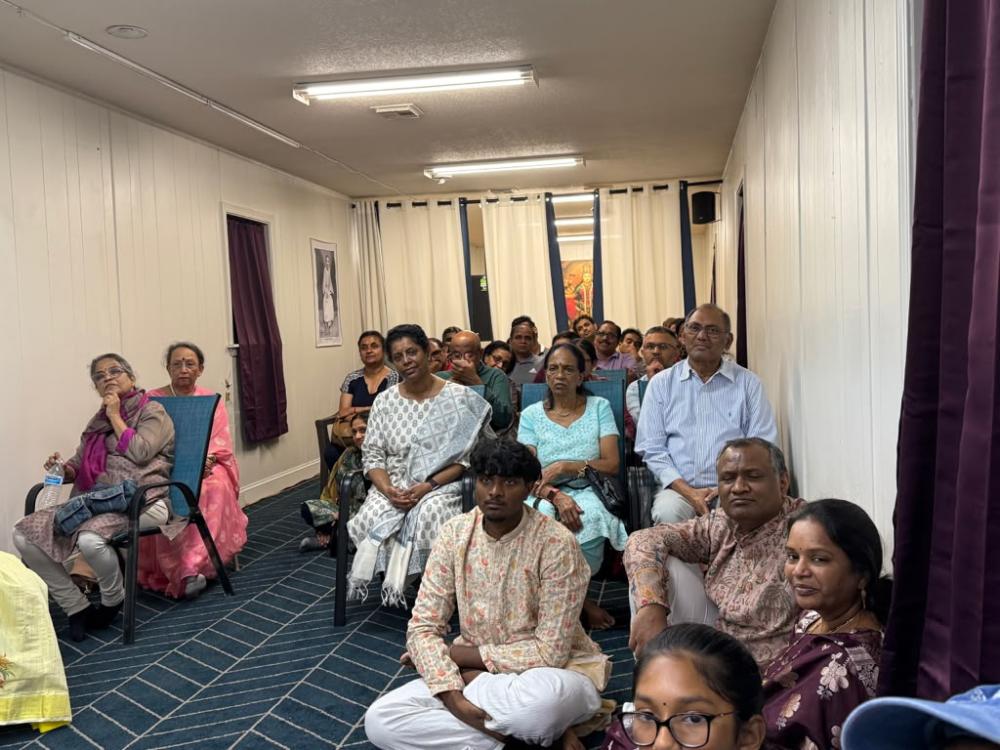
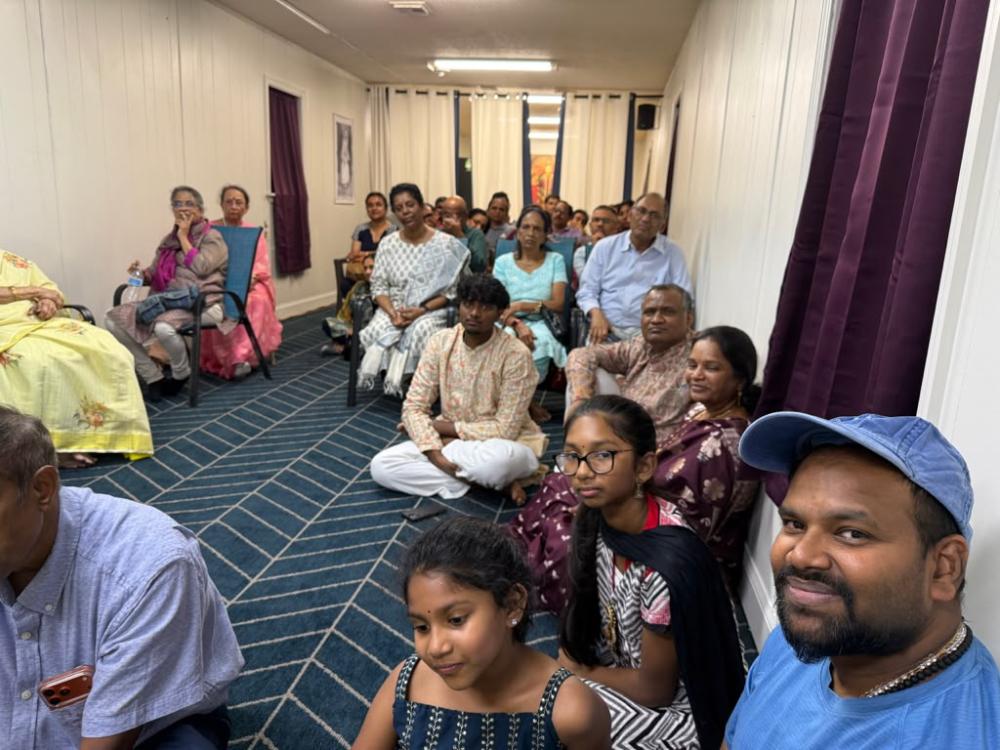
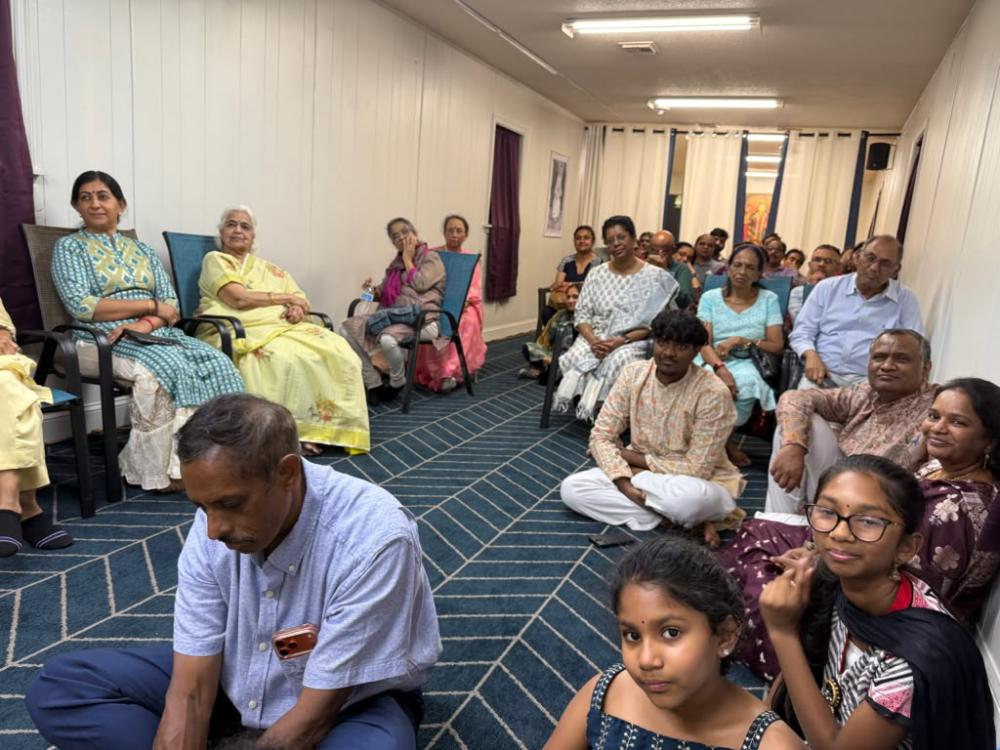
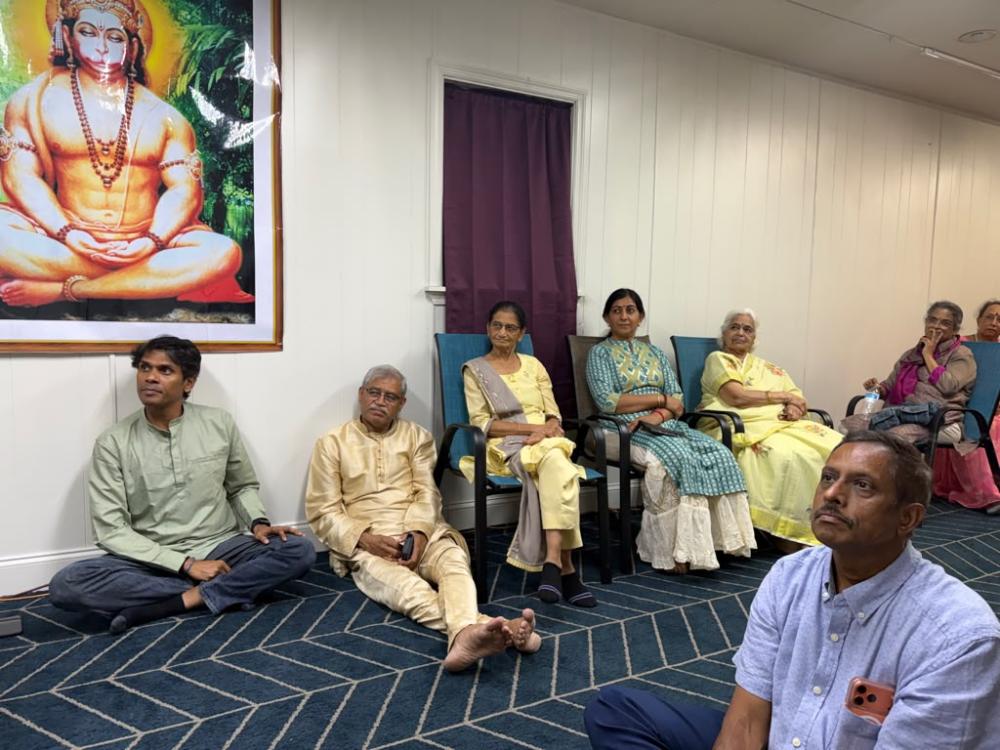
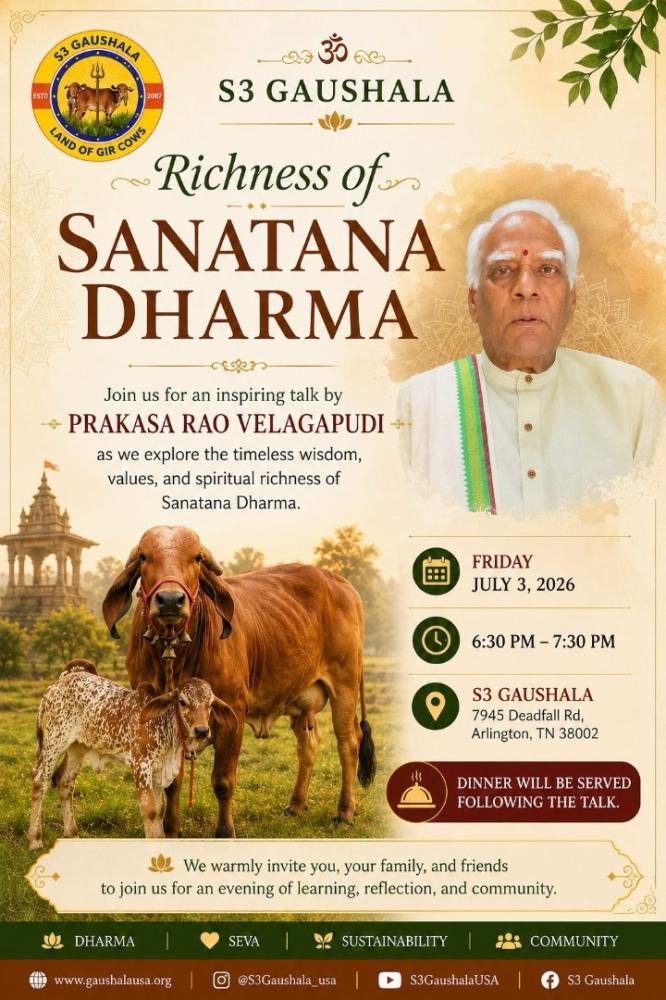
Global Hindu Heritage Foundations is privileged to participate in its activities for more than 15 years and a close bond is established between the two organizations. On July 3, a talk was arranged by Sri Purushottam about the richness of Sanatana Dharma in Gaushala. S3 Foundation has several projects at different locations in Memphis area. In Collierville, they are planning to build a traditional Temple soon.
Our temples have been used over the years as ''centres of excellence" for education, scientific study, fine arts, architecture and structural engineering. Above all, these temples are the centres which offer infinite peace to the mind of man.
Hindu temples act as bridges linking both science and philosophy- Science sees many in one and philosophy sees one in many, philosophy is the unifying symbol in a world of disintegrated values.
Selection of a site to build is an important step before proceeding with the project. In olden days, whenever they select the site, they used to keep the cows on the for about a year in order to remove negative vibrations and infuse positive vibrations. Sthala, tirtha and Murti are the proper ingredients to start a Temple. Once, site is selected, the next step is to maintain tirtha – meaning a big pond (Koneru). Then decide about the Murti that will be installed.
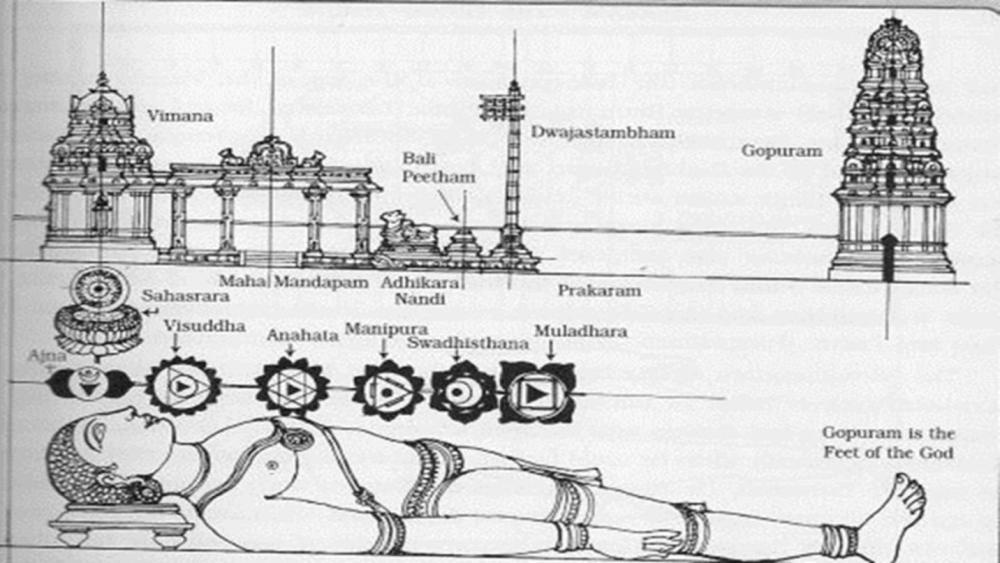
Compare Human Body with Hindu Temples
A Sloka (Verse) from“Viswakarmyam Vastu Shastra” describes the comparison of the human body with a temple.
“Garba Gruha Sirahapoktam antaraalam Galamthatha Ardha Mandapam Hridayasthanam Kuchisthanam Mandapomahan Medhrasthaneshu Dwajasthambam Praakaram Janjuangeecha Gopuram Paadayosketha Paadasya Angula Pokthaha Gopuram Sthupasthatha Yevam Devaalayam angamuchyathe”
Meaning: Garba-griham (main sanctum) is equated with human head; antarala (vestibule) is equated with the human neck; ardha–mandapam (half-hall) is compared with the human chest; maha–mandapam (main hall) is equated with the stomach; flag-post is viewed along with the human male organ; and gopuram or temple gateway tower is viewed along with human feet. Balipeetham represents the female organ.
Murti Worship
Hindus believe in Murti worship. It is difficult for anybody to pray without any image in mind. Hindus have perfected the belief that there must be an object to focus. God is omnipresent, omniscient and omnipotent. Can take any shape and form. An idol is a symbol or statue, which is fashioned as an object of worship.
A mere paper has no value. But if there is a picture of your mother, king, flag, or God image, it has value. If that happens to be currency, value increases. A murti is represented by: 1. Pratima: it's a Sanskrit word that means: image or likeness of the deity; 2. Murti: a Sanskrit word that means “form” or “manifestation”. 3. Vigraha: a Sanskrit word that means “form”, it refers to a sacred image or depiction of a deity; 4. Svayambhu images: the self-manifested images of the deities; self-generated by virtue of self-revelation.
God is identified with attributes, characteristics, moral compass, iconography, qualities. Rama, Krishna, Durga, Hanuman,
The Bhagavata Purana says: "The Deity form of the Lord is said to appear in eight varieties—stone, wood, metal, earth, paint, sand, the mind, or jewels" (11.27.12)
The Bhagavad Gita says: "It is much more difficult to focus on God as the unmanifested, than God with form, due to human beings having the need to perceive via the senses" (12.5)
One God vs Multiple Gods
Hindus believe in multiplicity of gods. He can take any shape and any number of images. Sun has billions of rays. So, the God can manifest in any number of manifestations. One plays many roles; different people look at the same person differently. One plays different roles. Candle in a vessel with many holes
Trinity, comprising three "persons", God the Father, God the Son, and God the Holy Spirit. These three are described as being "of the same substance"
Monotheism means one god, one book, one way VS Multiple gods, multiple scriptures, multiple ways to reach the divine
Monotheism vs Polytheism; “The three monotheisms share a series of identical forms of aversion: hatred of reason and intelligence; hatred of freedom; hatred of all books in the name of one book alone; hatred of sexuality, women, and pleasure; hatred of feminine; hatred of body, of desires, of drives. Instead, Judaism, Christianity, and Islam extol faith and belief, obedience and submission, taste for death and longing for the beyond, the asexual angel and chastity, virginity and monogamous love, wife and mother, soul and spirit. In other words, life crucified and nothingness exalted.” — Michel Onfray
God is omnipresent (all-pervading), omnipotent (all-powerful), and omniscient (all-knowing). If that is the case, He can take any shape and form to meet the needs of the disciples/ Worshippers.
"The One Truth, sages know by many names" (Rig Veda 1.164.46). Theistic Hinduism encompasses both monotheistic and polytheistic tendencies and variations on or mixes of both structures. They believe in a single divine essence, known as Brahman. Some believe in different deities emanating from Brahman, while others practice more traditional polytheism and henotheism, focusing their worship on one or more personal deities, while granting the existence of others.
Signs and symbols are essential for human living. It allows you to remember and act accordingly.
Gore Vidal: The great unmentionable evil at the center of our culture is monotheism."
Your donations are appreciated;
By Zelle: ghhfusaorg@gmail.com
PayPal: savetemples.org
By Check: GHHF, 14726 Harmony Lane, Frisco, TX 75035.
By Rupees: call 601-918-7111; +91 83096 43979


 Urgent support needed for Bangladesh Hindus


